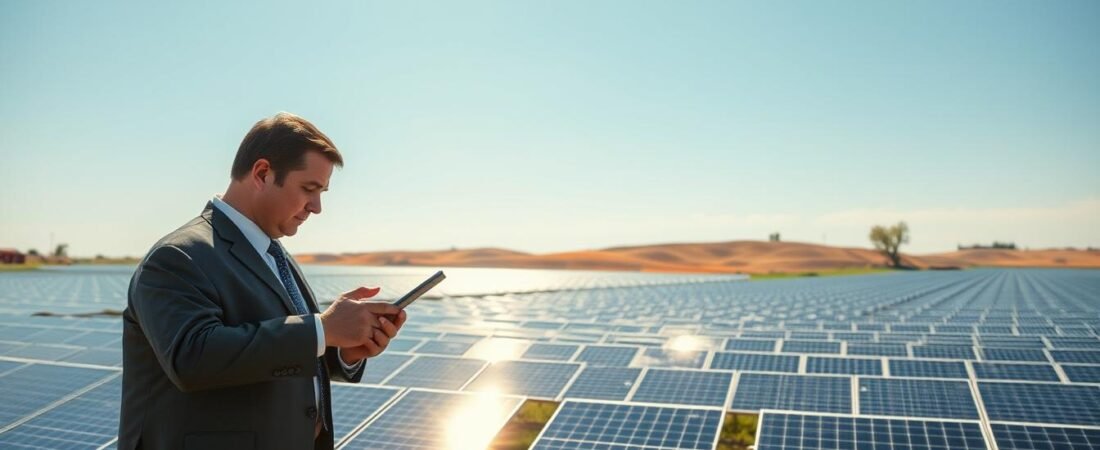
Thinking about going green at home? This guide gives clear numbers and smart tips to help homeowners decide if rooftop arrays make sense. As of April 2026, the average system runs about $3.32 per watt installed, and a typical setup is roughly 12.95 kW.
Many families in the state can expect around $17,524 saved over 25 years on electricity bills. Local markets include about 40 installers that serve residents, so comparing quotes matters.
Equipment prices fell roughly 52% last decade, while utility rates continue to rise—EIA forecasts residential prices up more than 2% in 2024. That trend makes incentives and the federal tax credit worth checking.
This short guide walks through average prices, typical savings, how system size affects outcomes, and how to vet companies. By the end, you’ll have a clearer path to compare offers and find the best fit for your home and budget.
Understanding the Current Solar Panel Cost in Iowa
Knowing the current per-watt figure helps homeowners judge bids at a glance.
Average System Pricing
The statewide average sits at $3.32 per watt installed as of April 2026. That figure makes it easier to compare quotes from different companies and installers.
A typical 12.95 kW system ranges from about $36,486 to $49,364 before incentives. Smaller homes may opt for a 5 kW setup, which costs roughly $16,576.
Cost Per Watt Breakdown
Per-watt pricing normalizes offers so you can compare systems of different sizes. Larger installations usually lower the per watt price because equipment and labor scale more efficiently.
Use your household use—about 865 kWh per month on average—to estimate the system size you need. Also consider payment method: paying with cash often reduces total price by avoiding financing fees.
- Average rate: $3.32/W helps compare quotes.
- 12.95 kW range: $36.5k–$49.4k pre-incentives.
- 5 kW option: ≈ $16,576 for smaller homes.
Factors Influencing Your Total Installation Price
What ends up on your invoice depends on more than just panel counts and watts.
Equipment choices drive much of the final number. High-efficiency monocrystalline panels cost more but deliver extra power per roof area. The inverter type also affects prices; microinverters and optimizers raise the bill compared with a basic string inverter.
Site and roof details change output and price. Roof angle and orientation determine annual energy yield. Steep or complex roofs take longer to work on and add labor charges.
- Permitting, inspections, and installer margins are part of the installation fee.
- Company location and travel to Des Moines or Cedar Rapids can alter quotes.
- Larger systems increase total price but often lower the per watt rate.
- Picking polycrystalline versus monocrystalline panels affects efficiency and long‑term value.
Plan carefully to match equipment and layout to your home. That helps you maximize energy output while keeping overall costs within budget. Check local incentives and get multiple bids to compare real prices for similar systems.
Evaluating the Financial Benefits of Going Solar
Understanding how long savings add up makes the financial case much easier to see.
Calculating Your Payback Period
Most homeowners in the state see a payback around 17.68 years for a typical system. That figure depends on your household energy use, local rates, and available incentives.
Over 25 years, the average homeowner can expect about $17,524 in savings. Those savings help offset the monthly electricity bill and lower lifetime costs.
The federal investment tax credit covers 30% of system value. Claiming this credit shortens payback time and improves return on investment.
- Average payback: ~17.68 years.
- 25-year savings: ~$17,524 for typical homeowners.
- Home value often rises ~4.1% after installation.
- Net metering policy changes can alter long-term returns.
Bottom line: Treat a rooftop setup as a long-term investment. Combine federal tax credit with local incentives to improve your payback and protect against rising utility prices.
Comparing Cash Purchases, Loans, and Leases
Choosing how to pay for a rooftop setup determines ownership, benefits, and the path to savings.
Benefits of Cash Payments
Paying with cash gives the fastest payback and avoids interest charges. You own the system outright and can claim the federal tax credit.
Long-term savings tend to be highest with a cash purchase because there are no financing fees or ongoing lender terms.
Navigating Solar Loan Options
Loans often require little or no money down. Monthly payments let many homeowners afford an installation while using energy savings to offset bills.
Be aware that interest adds to the total price. Compare APRs and loan length from different companies to find the best deal.
Understanding Lease Agreements
Leases and PPAs let you use panels without owning equipment. They typically offer low or no upfront money but do not raise home value.
Important: Early termination can cost thousands. Leases are not offered everywhere, so check local availability and read terms on maintenance and transferability before signing.
- Cash purchase = best long-term savings and tax credit eligibility.
- Loans = low upfront money, but interest raises total price.
- Leases = minimal start cost, lower return, possible high exit fees.
Navigating Federal and Local Solar Incentives
Incentives from Washington and local utilities make a big difference when you tally upfront and long‑term savings.
Federal support: The federal investment tax credit (ITC) lets you claim 30% of the total system price as a tax credit. That credit often delivers the largest one‑time reduction in net purchase for homeowners.
State and local perks: Iowa offers a sales tax exemption for all equipment, saving roughly $1,981 on an average installation. Ames adds a $300 per kilowatt rebate. Local utilities such as Waverly Light & Power provide targeted cash rebates for solar water heaters and other efficient upgrades.
| Incentive | What it covers | Typical value | Who qualifies |
|---|---|---|---|
| Federal ITC | Tax credit on system purchase | 30% of total system | Homeowners who purchase |
| Sales tax exemption | Exempts equipment from state sales tax | ≈ $1,981 average saving | State residents |
| Local rebates | Cash rebates or per‑kW payments | $300/kW in Ames; utility varies | Customers of participating utilities |
- There is no state tax credit, but property tax rules prevent your home taxes from rising because of the system.
- Net metering rules differ by provider; confirm how excess generation is credited to your account.
- Ask installers to itemize incentives on quotes so you can compare true net prices.
Tip: Always verify current tax and rebate rules before purchase. Programs change, and updates can affect your final savings and payback.
Selecting the Right Solar Equipment for Your Home
Picking the right equipment sets the stage for years of reliable rooftop power. Start with high-efficiency monocrystalline panels for the strongest output per square foot. That choice helps small roofs produce more energy over time.
Balance brand, inverter type, and storage. Top-tier modules like SunPower Maxeon deliver higher efficiency. Pairing them with Enphase microinverters improves shade handling and per-module performance.
“Quality installation matters as much as brand choice—proper mounting and wiring protect long-term production.”
- Choose efficient panels to maximize output for your roof and reduce the footprint of your system.
- Consider storage such as the Tesla Powerwall to store power and smooth household usage.
- Pick the right inverter: microinverters handle shading better; string inverters can lower upfront price.
- Check warranties from both manufacturer and installer to protect your investment for 25+ years.
Premium equipment costs more up front but often yields higher lifetime returns. Ask installers for module efficiency, degradation rates, and warranty details before you sign.
Maintenance and Long-Term Care Considerations
Routine checks and quick fixes keep a rooftop system running reliably for years.
Plan for modest upkeep. Typical maintenance averages about $400 over the life of a system, with a range of $300–$700.
Professional cleaning usually runs between $150 and $330. Iowa’s roughly 34 inches of annual rainfall helps cut cleaning needs most years.
Managing Potential Repair Costs
Replacing a cracked module costs about $120–$500 per unit, depending on brand and labor. Severe storm damage is often covered by homeowner’s insurance.
“Regular inspections catch loose mounts, wiring wear, and minor damage before they reduce production.”
| Service | Typical Price | Notes |
|---|---|---|
| Routine maintenance | $300–$700 | Average $400 over lifespan |
| Professional cleaning | $150–$330 | Rain helps reduce frequency |
| Panel replacement | $120–$500 | Depends on damage and brand |
| Warranty coverage | Up to 25 years | Check manufacturer and installer terms |
- Inspect yearly and after big storms.
- Choose a reputable installer to minimize future repairs.
- Clear heavy snow or debris to protect energy output.
How to Compare Quotes from Local Installers
Get at least three bids to see how different companies price a rooftop system and which offer the best value.
Use a marketplace like EnergySage to collect custom quotes from local installers side‑by‑side. Marketplaces simplify comparisons and often surface prices up to 20% lower than a single‑company offer.
When you review estimates, focus on the cost per watt and whether the quote lists all equipment, labor, permitting, and incentives. An itemized quote prevents surprise fees at installation.
Keep leverage: if a low bid lacks brand or warranty details, use it to negotiate with a higher‑quality company you prefer. About 40 companies serve the state, so competition works in your favor.
- Request at least three local quotes for a fair price check.
- Compare per‑watt pricing and included warranties.
- Confirm incentives and final out‑of‑pocket price, not just headline prices.
- Check installer reviews, licenses, and past installations before signing.
“Comparing multiple quotes saves money and reveals which installers include true value versus hidden fees.”
Why Solar Remains a Smart Investment for Iowa Homeowners
Falling prices and rising utility bills create a strong financial case for rooftop systems.
Data shows average homeowners in the state can expect about $24,607 in savings over 25 years. That level of savings makes a clear long‑term argument for purchase as an investment.
The federal tax credit covers 30% of the total system and can be rolled over up to five years if you don’t owe enough tax the first year. Combine that credit with local incentives and net metering to lower upfront costs and boost payback.
Homes with rooftop systems typically see an average value increase of 4.1%. That added equity, plus ongoing electricity savings, often outperforms many traditional investments over the same time.
- Lower prices: Equipment costs have dropped about 52% in the last decade.
- Better returns: Rising utility rates help protect future bills.
- Smart purchase: Use multiple quotes from local companies and pick the best equipment and installer for long life.
“Choosing strong equipment and claiming the federal tax credit makes this an attractive long-term investment for homeowners.”
Conclusion
Smart choices, coupled with careful planning, help homeowners lock in long-term energy savings. A well-sized system and quality equipment make monthly bills smaller and boost home value.
Use the federal tax credit along with local incentives to lower upfront outlay and improve payback. Confirm how the tax and credit apply to your purchase, and have installers itemize projected savings on quotes.
Compare at least three local companies and request free quotes to match equipment, warranty, and price. Starting with a clear estimate of your energy needs speeds the process and helps you pick the best system for your home.