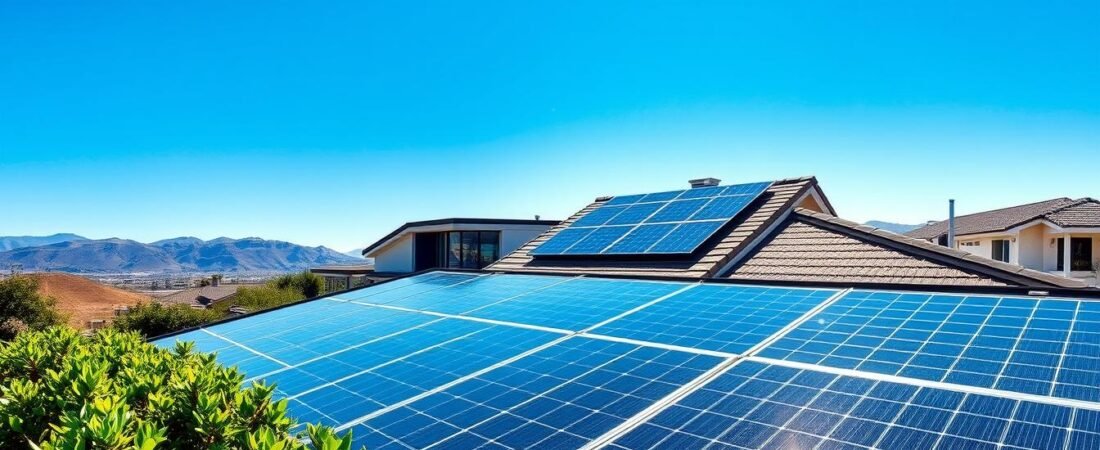
Finding the right residential solar panel installation company can cut your utility bills and boost home energy independence. Choosing a trusted team makes the process smooth and ensures lasting value for your investment.
In San Francisco, top-tier solar installers help homeowners navigate permits, incentives, and system design. They guide you from the first quote to final activation with clear steps and local expertise.
Our guide highlights the best solar providers so you can compare equipment, warranties, and service records. Knowing the market helps whether you are exploring options or ready to sign a contract.
Pick a reputable partner and you’ll get higher efficiency, reliable support, and peace of mind for decades to come.
Key takeaways: Find local experts, compare offers, and prioritize long-term support.
Why Choosing the Right Residential Solar Panel Installation Company Matters
The team you hire determines how smoothly the project runs and how much you save on electricity. A skilled installer reduces delays and avoids costly rework. Typical work on a roof takes one to three days, but permitting and inspections add time.
Quality equipment and honest pricing matter. Experienced solar companies such as Aurora Solar (363 Clementina St Suite B, San Francisco, CA 94103) and Palmetto (44 Montgomery Street, San Francisco CA, 94104) focus on long-lasting systems and solid warranties.
- Long life: The right company installs a system built to perform for 25+ years.
- Permits and codes: Professionals handle paperwork, saving time and stress.
- Clear quotes: Comparing quotes helps you judge cost, savings, and available rebates.
Read guidance on choosing a solar installer to compare reviews, pricing, and service before you decide.
Understanding the Local Solar Landscape in San Francisco
San Francisco buyers now weigh system efficiency and rebate timing when choosing a provider.
Market Trends
San Francisco features a competitive market with established names like HCI Solar, SolarUnion, and Sutro Power serving many neighborhoods.
Demand for battery-backed systems has grown as homeowners try to manage peak electricity costs and increase power resilience.
Installers are focusing on greater system efficiency and longer warranties to deliver clear long-term savings.
Customer Satisfaction
When you want to find best options, checking reviews on Google and Yelp helps gauge service quality and response time.
Many trusted companies san francisco residents prefer have been operating for more than five years, so they can handle complex roof jobs and local permits.
Compare quotes and verify incentives and rebates before you sign. For a quick place to start, find best local offers and compare price and service.
Key Criteria for Evaluating Solar Installers
Evaluating providers starts with checking licenses, certifications, and customer feedback. Confirm a valid license and insurance before you schedule a site visit.
NABCEP certification is the gold standard. Installers with this credential tend to follow higher equipment and safety standards.
- Licensing & insurance: Non-negotiable items that protect your roof and wallet.
- Years of experience: More years usually mean fewer surprises during system setup.
- Customer reviews: Read recent feedback to learn how installers handle timelines, power output, and service calls.
- Transparent quotes: A solid company explains costs, expected savings, and how chosen equipment affects long-term performance.
- Battery & equipment options: Ask about compatible batteries and warranties for panels and inverters.
Compare at least three companies and get written quotes. That simple step improves chances of choosing the best solar partner for lasting savings and peace of mind.
How to Compare Quotes and Pricing Models
A fair comparison starts by turning complex quotes into simple cost-per-watt math and clear timelines. Use that basic metric plus system size and fees to see which offer gives the best long-term savings in San Francisco.
Cost Per Watt
Cost per watt is the easiest way to compare pricing. In San Francisco, averages range from $2.14 to $3.22 per watt.
Divide the total price by the system wattage to get this figure. Then check equipment quality and warranties before you assume a lower number is better.
System Sizing
Make sure the quoted size matches your household needs and roof constraints. A properly sized system reduces wasted spend and boosts savings on electricity.
Use a trusted solar calculator to verify projected production against each estimate. Ask each installer to show how they sized the system and what assumptions they used.
Hidden Fees
Watch for dealer fees in solar loans; these can add 20% or more to your total cost. Ask each provider to itemize permits, interconnection, and any processing charges.
- Tip: Request a line-by-line quote that lists equipment, battery options, and timeline.
- Compare at least three offers so you can weigh price, incentives, and expected savings.
- Use reviews and references to confirm a quoted schedule and post-sale support.
Navigating Financial Options for Your Solar System
Understanding how to pay for a system is as important as choosing the right equipment. Cash payments often deliver the best long-term savings. Loans are common when homeowners can’t pay upfront.
Leases and PPAs let you avoid large initial costs, but they change ownership and long-term savings. Compare interest rates, dealer fees, and written quotes before you sign.
“A clear, line‑by‑line quote makes it easier to compare total price, per watt costs, and expected savings.”
- Use a solar calculator to estimate lifetime savings and payback time.
- Check how different pricing models affect panels and battery choices.
- Ask installers and solar companies for financing options and recent customer reviews.
Good companies will explain pros and cons clearly so you can pick the plan that fits your budget and energy goals.
Essential Solar Incentives and Rebates in California
California offers powerful incentives that can cut the upfront cost of adding a home system. These programs reduce your cost and speed payback so your investment makes sense sooner.
Federal and State Programs
The federal solar tax credit lets homeowners claim 30% of the cost of panels and battery storage on their federal return. That credit is one of the biggest ways to lower total cost.
The Self-Generation Incentive Program (SGIP) offers rebates for battery capacity in California. This helps when you add storage to boost backup power and savings.
- Tax credit: 30% of panel and battery costs at the federal level.
- SGIP: Rebates for eligible battery systems to reduce net outlay.
- Property tax exclusion: Systems installed before Jan 1, 2027 may avoid added property tax.
- Net metering (NEM 3.0): Learn how export rates affect your savings and payback.
Work with experienced installers and read recent reviews to make sure all eligible incentives are claimed. A proactive installer will itemize savings and show how incentives change your final cost.
The Step by Step Installation Process
A clear, step-by-step plan helps homeowners know what to expect from the first roof visit to final grid hookup.
First, a site visit checks roof strength, orientation, and your energy use. The installer will verify shade, roof age, and electrical panel capacity.
Permitting follows. In San Francisco, local rules add paperwork that your selected team usually files for you. This stage often takes weeks.
When permits clear, equipment is ordered and staged. Most on-roof work finishes in one to three days. Crews set mounts, run wiring, and attach inverters.
After physical work, a city inspector verifies safety and code compliance. Once approved, the utility connects the system and you begin generating power.
- Tip: Ask for a projected timeline from permit to grid connection.
- Tip: Read recent reviews to confirm an installer meets promised timeframes.
| Step | Typical Time | Who Handles It | What to Check |
|---|---|---|---|
| Site visit & design | 1–2 weeks | Local installer | Roof condition, system size |
| Permits & approvals | 2–8 weeks | Permitting team | Permit completeness, fees |
| Physical panel installation | 1–3 days | Install crew | Mounts, wiring, inverters |
| Inspection & grid hookup | 1–3 weeks | City & utility | Final approval, interconnection |
For a deeper look at project timelines and how installers present their process, check this professional website guide.
Why Local Expertise Beats National Chains
Local teams in San Francisco know the city codebooks and utility quirks that speed project approvals. That familiarity reduces delays and keeps projects on schedule.
Permitting Knowledge
Permits are where local installers shine. They know which forms each district requires and how inspectors prefer roof and electrical layouts.
That hands‑on knowledge lowers the chance of rework and surprise fees. It also helps ensure the system meets local standards the first time.
Community Reputation
Reputation matters in tight neighborhoods. Local teams rely on referrals and visible work, so they tend to offer better customer service and follow-up.
- Personalized support: Direct access to the installer who built your system makes service calls faster.
- Trusted equipment choices: Local providers often select gear with proven local performance and solid warranties.
- Long-term care: Community ties encourage reliable maintenance and clearer communication with customers.
Choosing a local partner boosts your chance of smooth permitting, strong reviews, and attentive service while supporting the San Francisco energy market.
Assessing Equipment Quality and Warranty Protection
Start by verifying the make and model of major components. Ask which brands the installer uses and confirm written warranty terms.
Top-tier brands like SunPower, LG, and Panasonic commonly carry 25-year product and performance warranties. These warranties matter for long-term output and resale value.
Workmanship protection is different. A strong workmanship warranty should cover at least 10 years. That helps if roof or system issues arise from the install.
- Check inverter and panel specifications for degradation rates and efficiency.
- Read recent reviews to confirm manufacturers perform as promised in San Francisco conditions.
- Prioritize high-efficiency panels when roof space is limited.
“Quality equipment and clear warranties protect your home’s energy investment for decades.”
Ask the installer for warranty paperwork and brand datasheets before you commit. That small step saves time and money over the life of your system.
Red Flags to Watch for During Your Search
Not all providers earn your trust. Be alert for pressure to sign quickly or vague answers about cost. These are signs you should pause and look elsewhere.
Clear pricing and honest timing matter. If a representative will not explain per watt costs or refuses to provide written quotes, that lack of transparency is a major red flag.
Communication Breakdowns
Poor follow-up, missed calls, or fuzzy answers about permits in San Francisco often point to weak customer service. Make sure you can reach the same contact and get consistent responses.
- Ask for references and recent reviews; refusal to share them is a warning.
- Confirm who will do the actual work and whether subcontractors are used.
- If warranty terms, permitting steps, or timelines are unclear, pause the process.
“Trust your instincts—if something feels rushed or evasive, continue your search and compare quotes from other companies san residents recommend.”
Conclusion
, Choosing to add renewable energy to your home in San Francisco can pay off with lower electricity bills and a smaller carbon footprint.
Compare multiple quotes, read recent reviews, and confirm equipment, battery options, and warranties. Prioritize local installers who know permits and local pricing so your system goes in on time.
Use available incentives and rebates to cut upfront cost and improve long‑term savings. With smart research and clear quotes, you can pick trusted solar companies that deliver reliable power and strong service for years to come.